Can You Bring Outdoor Plants Inside to Survive the Winter?
Although not all outdoor plants survive the move indoors, many can!
Published: Nov 28, 2018 | Modified: Oct 07, 2026
Yes, you can bring many outdoor plants inside to survive the winter, but not all of them. Plants that need to go dormant for the winter, like rose bushes, hydrangeas, and lilies, should stay outside. For everything else, a little prep makes the move easier.

While certain plants require more specialized instructions, this general guide will teach you how to move plants inside for the winter.
When to Bring Plants Inside
Most houseplants don’t like temperatures lower than 45 degrees, so plan to bring your plants inside before it gets that cold. Start getting them ready early. Repot several weeks before the move, and use the steps below to check for bugs and prune.
3 things to do before moving plants indoors
Unfortunately, moving plants indoors is not as simple as just picking them up and bringing them indoors. Moving plants indoors to a drastically different environment than they’re used to can result in them going into shock. That’s why it’s important to take certain precautions to protect both your beloved plants and home.
1. Get rid of any bugs
It’s important to clear any bugs off your plants' leaves, especially if they've been sitting outside all summer. Aphids, mealybugs, and spider mites are some of the most common kinds of bugs that attach themselves to plants, so keep an eye out for those in particular. You should also check the soil, as there can be bugs hiding there as well.

2. Prune it
Pruning certain plants not only keeps them from dropping leaves on your floor but keeps your plant healthy — which it needs to be to survive a sudden change to its environment.
3. Repot it
When bringing a plant indoors, repot it in a container that’s roughly 2 inches larger than the one it was in previously. You should also make sure to repot it several weeks before you’re going to bring your plant in. This will ease its transition.
6 things to do while your plants are inside
If you’ve made it to this stage, congrats! The hardest part is over. Now all you have to do is keep your plants thriving. Here are six ways to help you do that.
1. Place them where they’ll thrive
While your rose plant may look beautiful catty cornered in your living room, that may not be the best place for it health-wise. Just like when you planted them outside, it’s important to think about your plant’s sun, shade, and water needs.
2. Gradually adjust the temperature
Most houseplants (and humans, for that matter) don’t like to live in temperatures lower than 45 degrees. That said, they also don’t like sweltering hot conditions. If you keep your house on the warmer side, lower the temperature when you first bring plants in and gradually raise the temperature by a couple of degrees every few days. Plants that are in full sun should be slowly moved to a more shady area so they get used to the eventual change indoors.

3. Move them inside at night
You can also acclimate plants to your home by bringing them inside at night. This will help them gradually get used to the changes in air quality, temperature, and humidity levels.
4. Water them less often
Because these plants won’t be sitting in the hot sun, they won’t need to be watered as often. A good rule of thumb is to water houseplants only when their soil is dry to the touch. You should also have a saucer under them to protect your floor and let you know once a plant has been adequately watered.
5. Give them indirect sunlight
We all know plants love light, but too much of a good thing can be harmful. Impurities in glass magnify the sun’s rays and can burn a plant’s leaves. For that reason, never leave a plant near a window.
6. Accept what can’t be moved
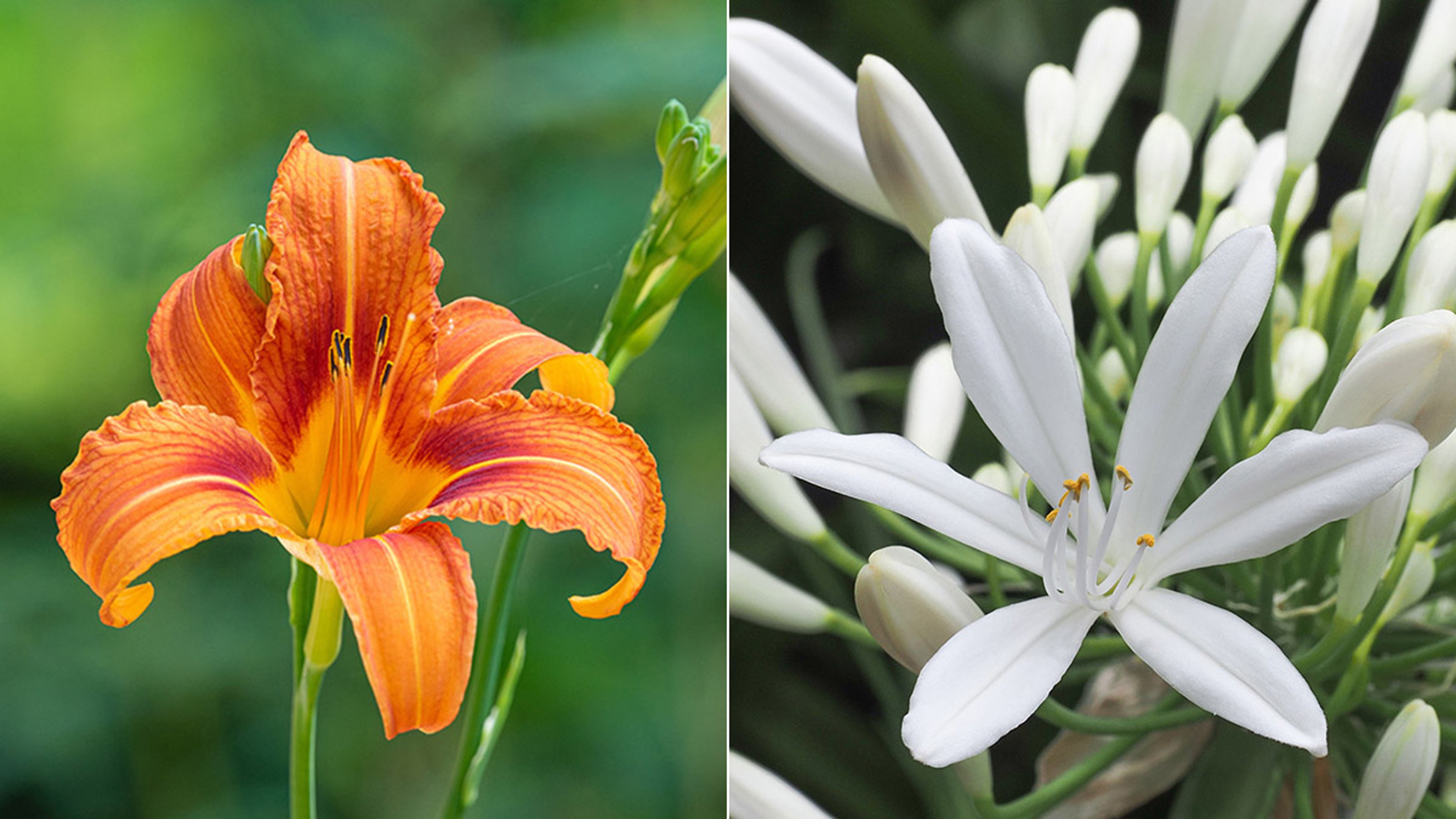
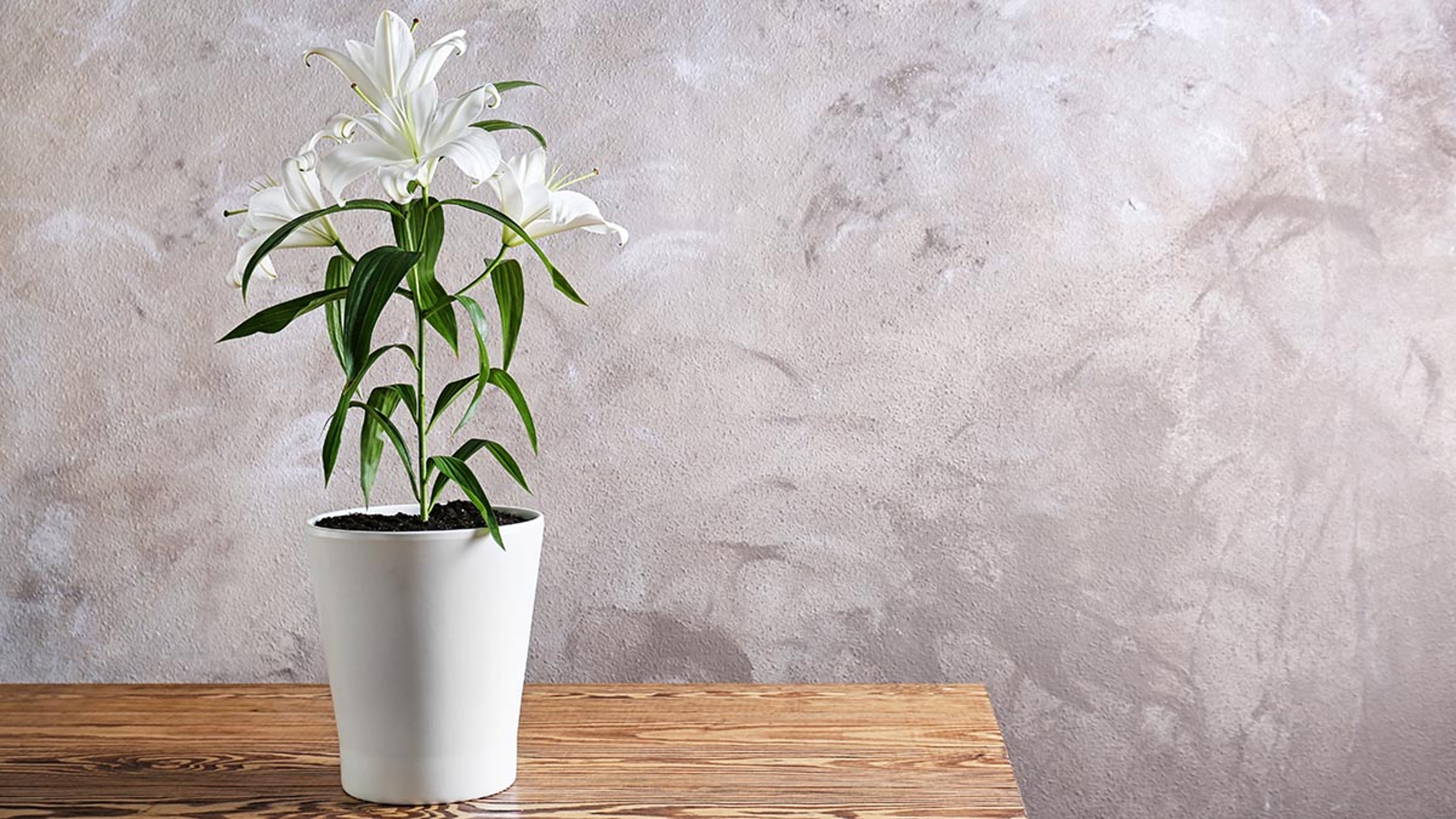
Some plants have to go dormant for the winter to stay healthy, which means they can’t come inside. Rose bushes, hydrangeas, and lilies are just a few plants that should stay outdoors.
Once your plants are settled, water only when the soil is dry to the touch and keep them in indirect light. Our winter plant care guide has more tips for the colder months. Want more plants that do well indoors in winter? Start with our easy indoor flowers and plants for winter.
AUTHOR

Tara Carlson graduated from Hofstra University with a degree in Public Relations and loves any and all things creative writing - which is why she is thrilled to be working with Berry Chatty. When she's not writing, you can probably find her swimming at the beach, catching up on the latest movies (she's a big fan of award season!) and playing soccer.